
By Ben Omwaka
Adventures Born in the Chat
In Kenya, travel often begins not on the road but in the chat. WhatsApp groups have become the modern campfire places where friends, colleagues, and communities dream up adventures, share itineraries, and hype each other up for the next big trip. Yet, for every successful #Twenderaundi hike, trip or outing, there are countless journeys that never leave the group. These “ghost trips” planned with passion but abandoned before execution reveal as much about Kenyan travel culture as the journeys themselves. They remind us that sometimes the story is not in the destination but in the conversations that surround it.
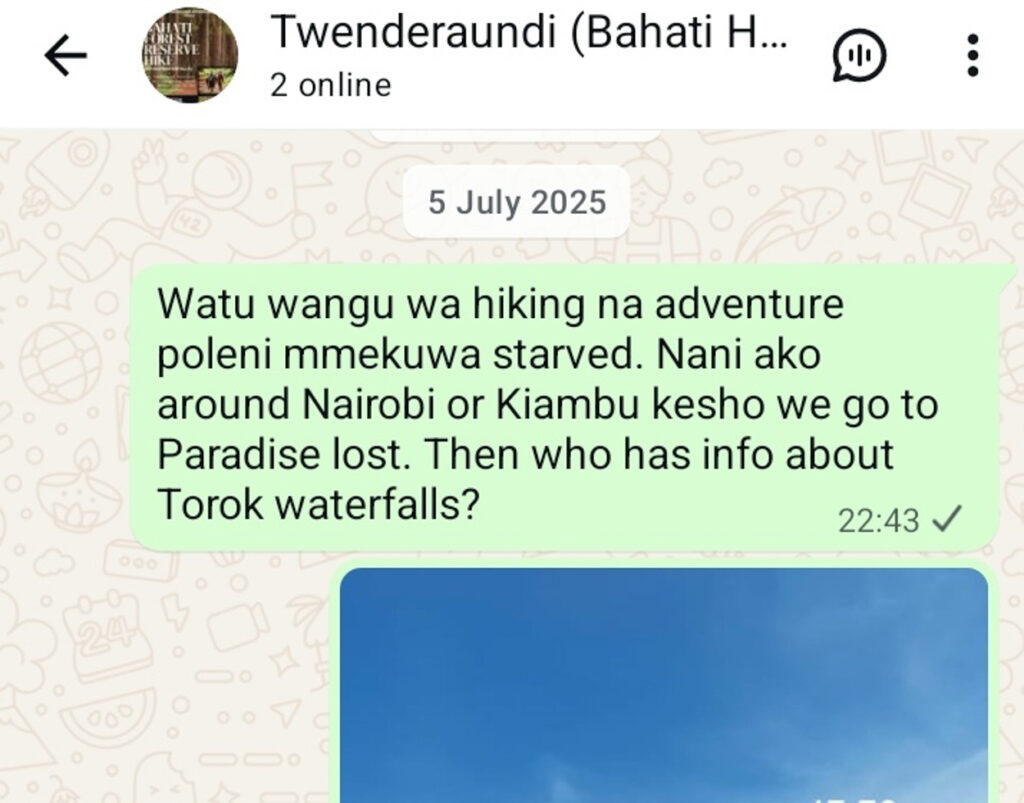
The Culture of WhatsApp Travel Planning
WhatsApp is a very important part of Kenyan social life. It is where families coordinate events, friends share memes, and communities organize everything from weddings, football matches, sherehe and even fund raisers. Travel planning has naturally found its home here. A typical travel group chat starts with excitement. One person drops an idea, “Twende raundi Elementaita ama Naivasha end month.” Within hours, the group is buzzing with ideas. Links to Airbnbs are shared, links to content from travel content creators shared. The energy grows very fast, and for a moment, it feels like the trip is inevitable.
But as days pass, reality creeps in. Budgets are questioned, schedules clash, and enthusiasm starts fading away. The trip that seemed certain slowly fades into silence leaving behind only a trail of emojis, half‑baked itineraries. These chats become archives of dreams, reminders of how easy it is to imagine travel and how difficult it can be to execute it.






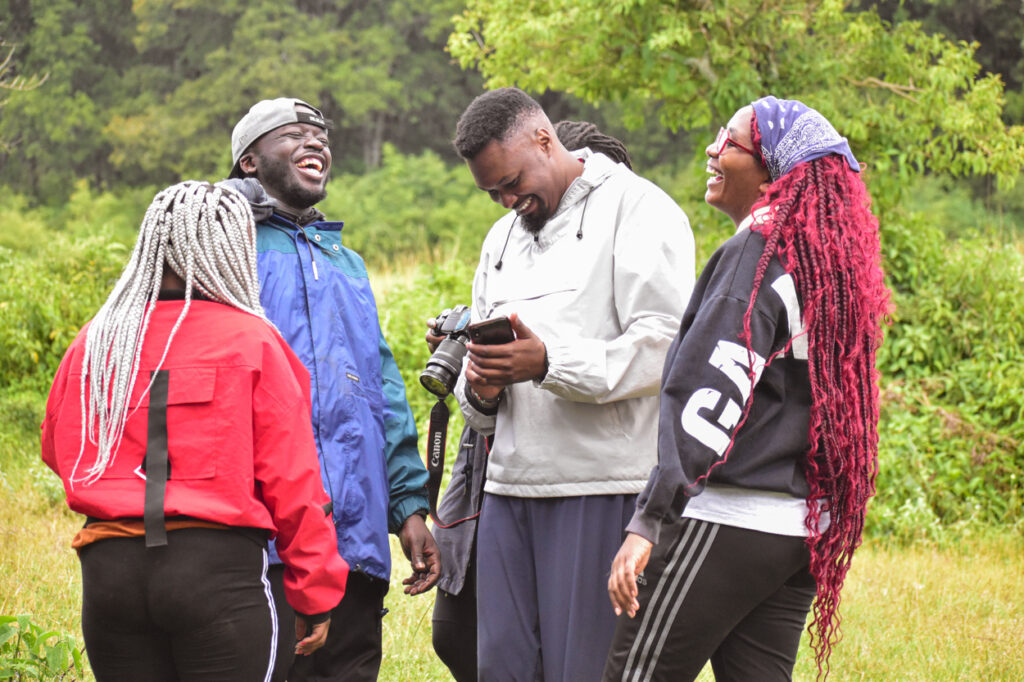
The kind of photos that fill groups at the start. Photos: Ben Omwaka
Why Trips Stall Before They Begin
Ghost trips happen for many reasons, and each reveals something about the realities of Kenyan travel.
Budget constraints are often the first hurdle. Even a simple hike requires transport, park fees, and food among many other costs. When costs are tallied, some members quietly withdraw, unwilling to admit they cannot afford the plan. Travel in Kenya is not always cheap, and the financial gap between dream and reality can be wide.
Scheduling conflicts add another layer. Coordinating multiple adults with jobs, families, and commitments is quite a task. The “next weekend” plan often collides with weddings, work deadlines, or other events and commitments. What looks simple on paper becomes complicated in practice.
Transport logistics also stall momentum. Who has a car? Should we hire a van? Is public transport reliable? These questions often lead to complications.
Initial excitement is high, but without a strong organizer to push things forward, energy changes. The group chat becomes quiet, and the trip dies a slow digital death.
The Value of “Unrealized” Journeys
It is easy to dismiss these ghost trips as failures, but they carry hidden value. Even if the trip doesn’t happen, the planning process creates laughter, inside jokes, and shared anticipation. Imagining adventures together is itself a form of travel; the chat becomes a space of collective dreaming. Communities bond over the process, proving that travel is as much about people as it is about places. In fact, some of the most memorable travel stories we have also includes trips that never happened. The jokes, the memes, and the conversations live on long after the chat has gone silent. A WhatsApp group buzzing with plans is itself a form of travel. Even without photos, the chat creates narratives. The group becomes a micro‑community bonded by shared dreams. Ghost trips live on in jokes, memes, and conversations that resurface months later.

A trip that left the chat. Location: Duara, Elementaita.
Lessons from Trips That Stayed in the Chat
Ghost trips teach us important lessons about travel and community. Every successful trip needs a good organizer, someone who pushes, organizes, and insists. Without leadership, plans stall. Realistic planning matters too; ambitious ideas like “let’s climb Mt. Kenya next weekend” often fail, while smaller goals like a day trip to Lake Naivasha are more achievable.
Budget transparency prevents silent withdrawals. When everyone knows the expenses upfront, commitment is stronger. Flexibility also matters. Rigid plans collapse under real‑life pressures, but flexible itineraries keep the dream alive. Most importantly, embracing the chat itself as part of the journey reframes ghost trips as valuable experiences. Sometimes, the conversation is the destination.
They are stories in themselves, shaping friendships and creating memories that endure. Ghost trips also mirror broader cultural realities. They reflect the challenges of urban life, where time and money are scarce. They reveal the importance of community, where dreaming together is as valuable as traveling together. They highlight the role of technology, where WhatsApp has become the new travel planner.
For #Twenderaundi, the trips that never leave WhatsApp are not failures. They are reminders that travel is as much about community as it is about geography. They teach us the importance of leadership and realistic planning. In Kenya, where WhatsApp is the new travel planner, ghost trips are part of the culture. They live on in chats, jokes, and memories, proving that sometimes the journey is not the road but the conversation itself.
For us, travel is not only about reaching destinations but also about creating stories that endure. Whether it is a hike that happened or a road trip that stayed in the chat, every journey adds to the collective memory.
About the Author: I am a communications practitioner and photographer with a deep interest in travel, adventure, nature, and community storytelling. My style blends artistry with the spirit of nature and the strength of community, creating narratives that connect journeys with people and places.